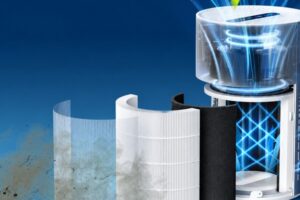
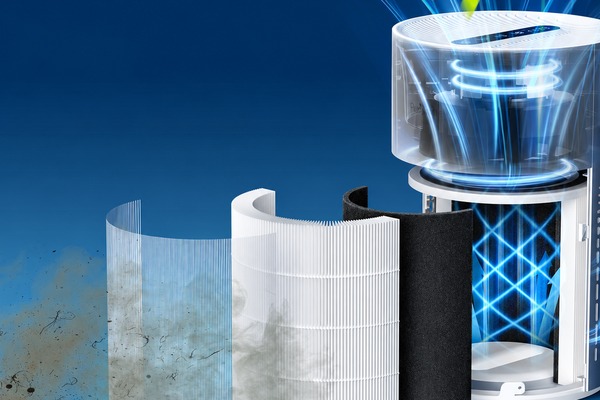
A HEPA filter air purifier helps remove airborne particles such as dust, pollen, pet dander, mould spores. and other pollutants from indoor air. It can capture at least 99.97% of airborne particles measuring 0.3 microns under specified test conditions.
A HEPA filter does not remove every type of indoor pollutant. Gases and many odors require a different filtration method, such as activated carbon. When comparing air purification options, Air Purifier NG is a place to explore air purifiers and learn how to choose a suitable option for your home.
Why Is It Important to Buy a HEPA Filter Air Purifier?
Indoor air can contain particles from cooking, cleaning, pets, outdoor pollution and everyday household activities. A HEPA filter air purifier draws indoor air through a filter and releases filtered air back into the room. When properly sized and used, it can help reduce airborne particles.
Key benefits include:
- Reducing airborne dust: A HEPA air purifier can capture airborne particles, although it will not remove dust that has already settled on furniture and floors.
- Capturing pollen: HEPA filtration can reduce airborne pollen, a common seasonal allergy trigger.
- Reducing pet dander: It can capture many airborne particles released by cats and dogs.
- Supporting bedroom air quality: A suitably sized purifier can filter airborne particles while you sleep. A quiet sleep mode may be helpful for overnight use.
- Reducing some airborne pollution: HEPA filters can capture many fine particles that enter the home from outside.
If you are researching a HEPA filter air purifier in Nigeria, consider your room size, the types of pollutants you want to reduce and the availability of replacement filters before buying.
What Is a True HEPA Air Purifier?
A true HEPA air purifier uses a filter that meets the relevant HEPA filtration performance standard. Product descriptions such as “HEPA-type” or “HEPA-like” do not necessarily mean that the filter meets the same requirements.
Before buying, check the manufacturer’s technical specifications, clean air delivery rate (CADR), recommended room size and replacement-filter availability. These details help you determine whether a model is appropriate for your space.
Is a HEPA Air Purifier With Carbon Better?
A HEPA air purifier with carbon may be a suitable option if you want to reduce airborne particles as well as some cooking or household odours. The effectiveness of carbon filtration depends on the amount and type of carbon used.
When comparing options through Air Purifier NG, look at the specific filtration features listed for each product rather than assuming every purifier removes particles, gases and odours equally well.
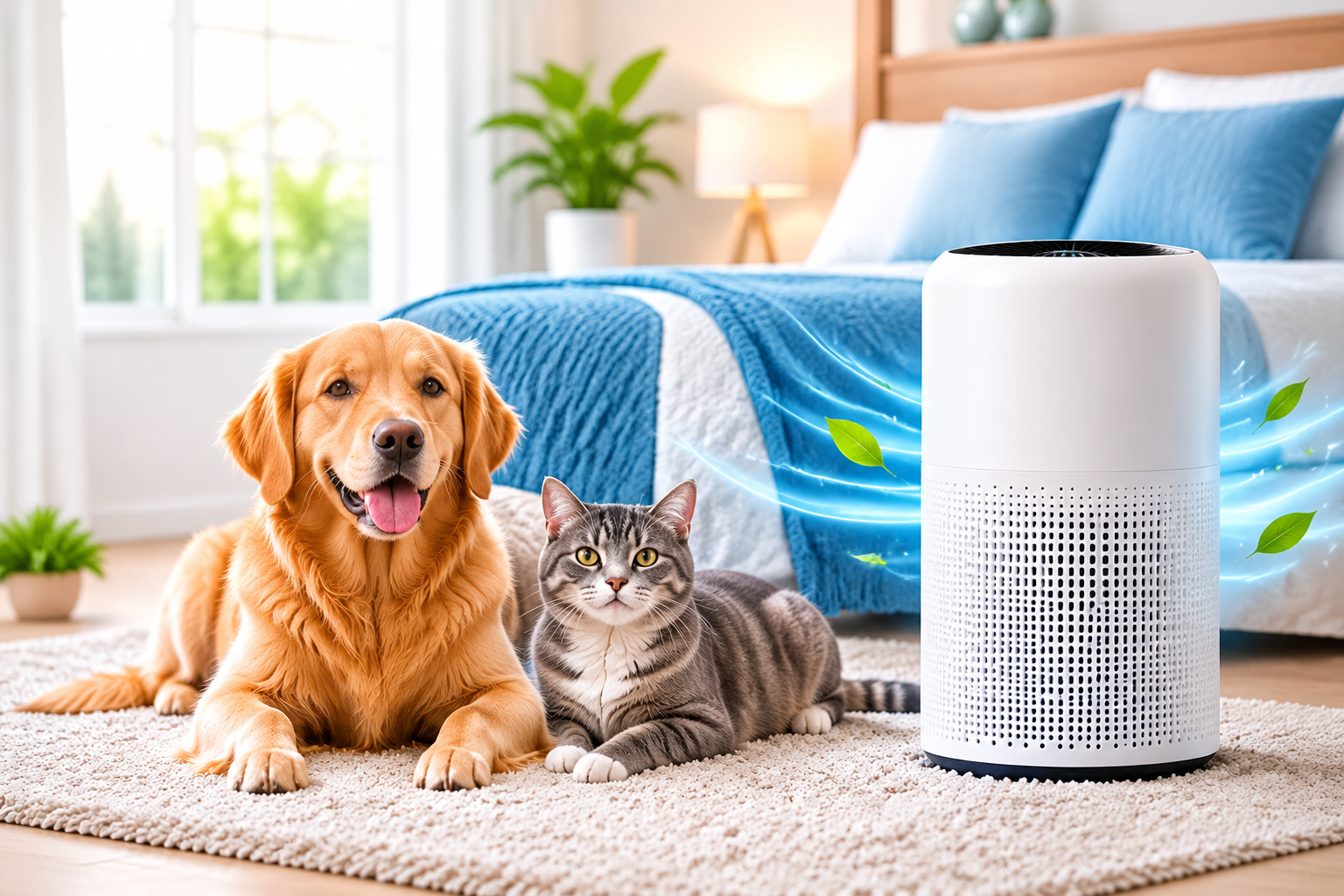
Which HEPA Air Purifier Is Best for Bedrooms, Pets and Allergies?
The best HEPA air purifier depends on your needs and the size of the room.
- For bedrooms: Choose a model rated for your room size, with suitable airflow and a quiet sleep setting.
- For pets: Look for effective particle filtration and a pre-filter that can catch larger debris and hair.
- For allergies: Consider a properly sized purifier that captures airborne particles such as pollen and pet dander.
- For asthma: Reducing certain airborne particles may help limit some environmental triggers, but an air purifier does not treat asthma or replace prescribed medication
- For mould: HEPA filtration can capture airborne mould spores, but you must also address the moisture source and remove existing mould growth appropriately.
When Should You Replace a HEPA Filter?
Over time, a HEPA filter collects particles and may need to be replaced to maintain effective airflow. Follow the manufacturer’s recommended replacement schedule, as the interval depends on the purifier model, usage and indoor conditions. Some purifiers have replacement indicators.
If you need a HEPA filter replacement, check the exact model of your purifier before ordering. Using a compatible filter helps ensure that it fits and works as intended.
Frequently Asked Questions About HEPA Air Purifiers
Which air purifiers are true HEPA?
Look for products whose manufacturers specify that their filters meet a recognised HEPA performance standard. Check technical documentation and independent product information where available.
Does a HEPA air purifier remove dust?
It can reduce airborne dust particles but cannot remove dust already settled on surfaces. Regular cleaning and vacuuming remain important.
Can a HEPA filter remove pet hair?
HEPA filters primarily capture airborne particles such as pet dander. A pre-filter is generally better suited to catching larger hair and debris.
Can a HEPA air purifier remove mould?
It can capture airborne mould spores that pass through the filter, but it cannot eliminate mould growing on walls or correct the underlying moisture problem.
Does a HEPA filter remove bad smells?
HEPA filters are designed primarily to remove particles. For certain odors, choose a purifier that also includes an activated carbon filter.
Choosing a HEPA Filter Air Purifier
A HEPA filter is an important feature to consider when choosing an air purifier for your home. It can help capture airborne dust, pollen, pet dander, and other fine particles, making it useful for bedrooms and households concerned about airborne allergens.
Before purchasing, check the filter specifications, room coverage, noise level, and replacement-filter availability. To explore air purification options for your home, visit Air Purifier NG.
For more information about HEPA filtration standards, consult the US EPA’s What Is a HEPA Filter? and Guide to Air Cleaners in the Home.